Contact our experts now
Enquire now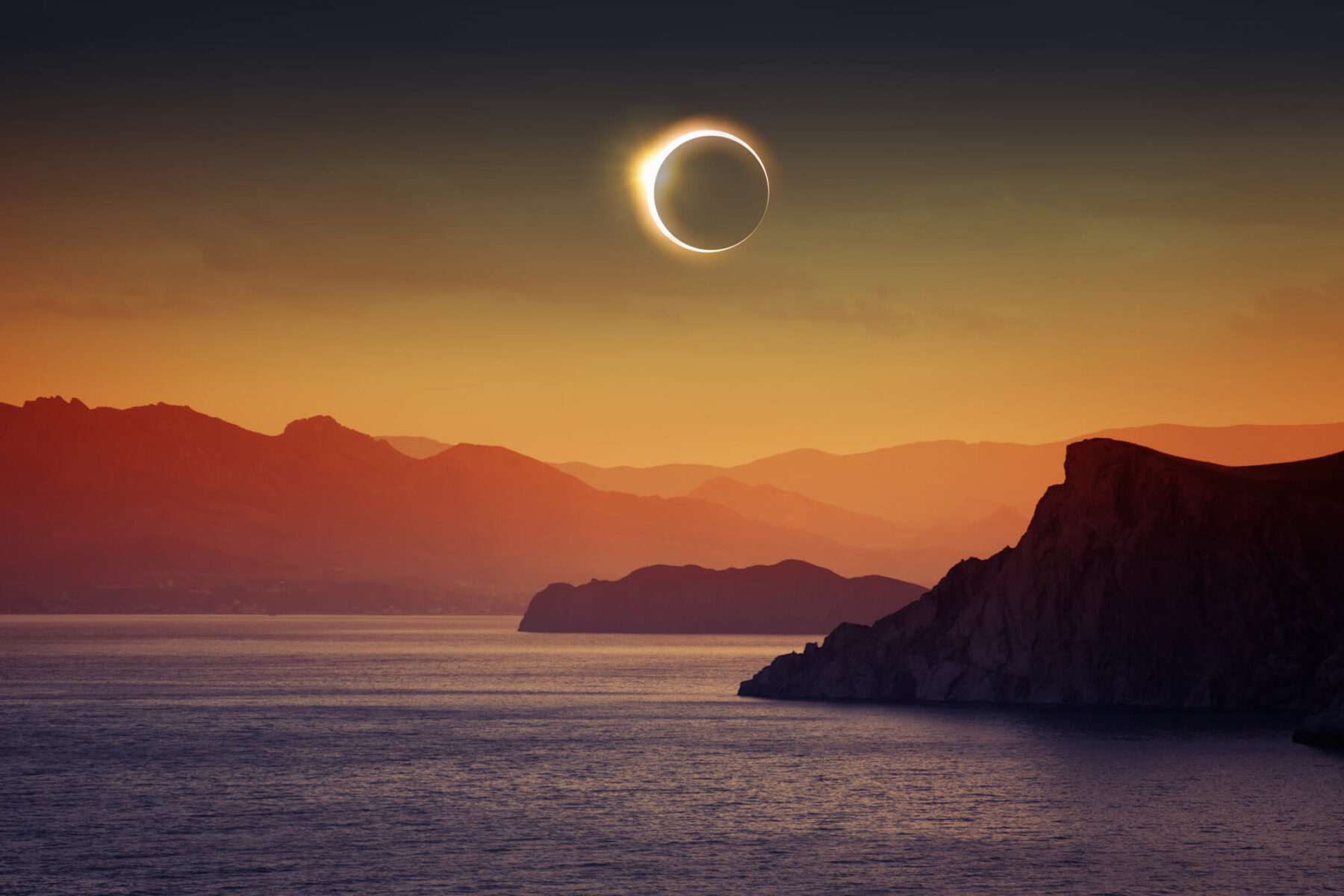

Witness a total solar eclipse in 2026
Solar Eclipse 2026
A total solar eclipse is an otherworldly experience. An eerie and magical moment where day briefly becomes night as the sun disappears behind the moon.
Not every eclipse is the same. The duration varies depending on the distance of the moon from earth at the time. For instance, the eclipse on 8 April 2024 lasted nearly 4 and a half minutes, doubling the duration of the eclipse in 2017. Location also means that some are more accessible to spectators. Many occur in the middle of oceans or remote places where few will have the chance to witness them. Some, however, occur in populated areas. The 2024 eclipse had a path of totality approximately 115 miles wide running across parts of Mexico and the US. The next total solar eclipse is in 2026, and we have the perfect ways for you to experience this mesmerising event.
Where you can see the total eclipse in 2026
The 12 August 2026 is the date to circle in your calendar. The total eclipse will be visible in East Greenland and the west of Iceland as well as Portugal, Spain and Russia.
One incredible way to witness the event is to join a small-ship expedition voyage to East Greenland on a special departure carefully planned to coincide with the eclipse. Not only will your ship aim to be perfectly positioned to witness totality in all its celestial glory, but you’ll also experience the majestic landscapes and stunning ice-strewn fjords of the world’s largest island. The voyage, which departs from Longyearbyen on the Svalbard archipelago and ends in Akureyri in Iceland will offer chances to explore this spectacular region and encounter wildlife such as musk ox, whales and polar bears.
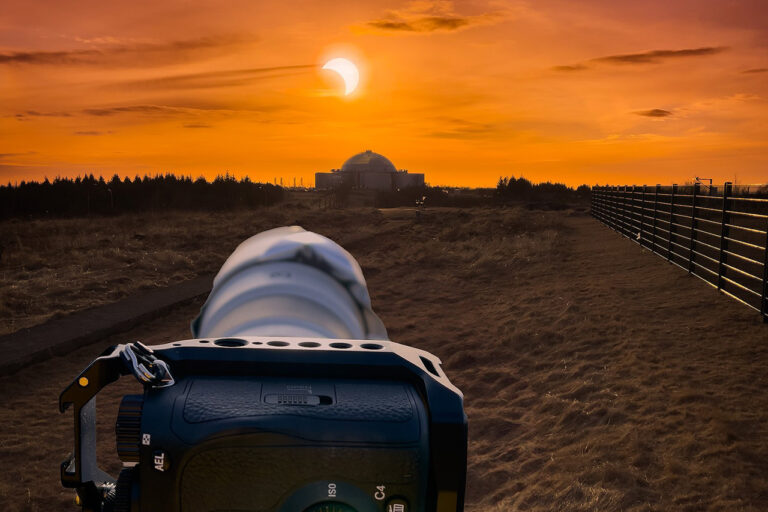
Alternatively, keep your feet on terra firma and experience the eclipse from Iceland. We’re preparing to unveil a brand-new itinerary dedicated to this extraordinary event. Further details coming soon…


Solar Eclipse Holidays


Greenland Solar Eclipse Voyage
Discover three Arctic Islands and experience a total eclipse of the sun from the unique perspective of a polar expedition ship. This once-in-a-lifetime voyage covers many miles of extraordinary coastline and offers the chance to encounter wildlife and explore stunning scenery.

West Iceland
Keep an eye out for details of our dedicated solar eclipse holidays in Iceland in 2026…
What is a total eclipse?
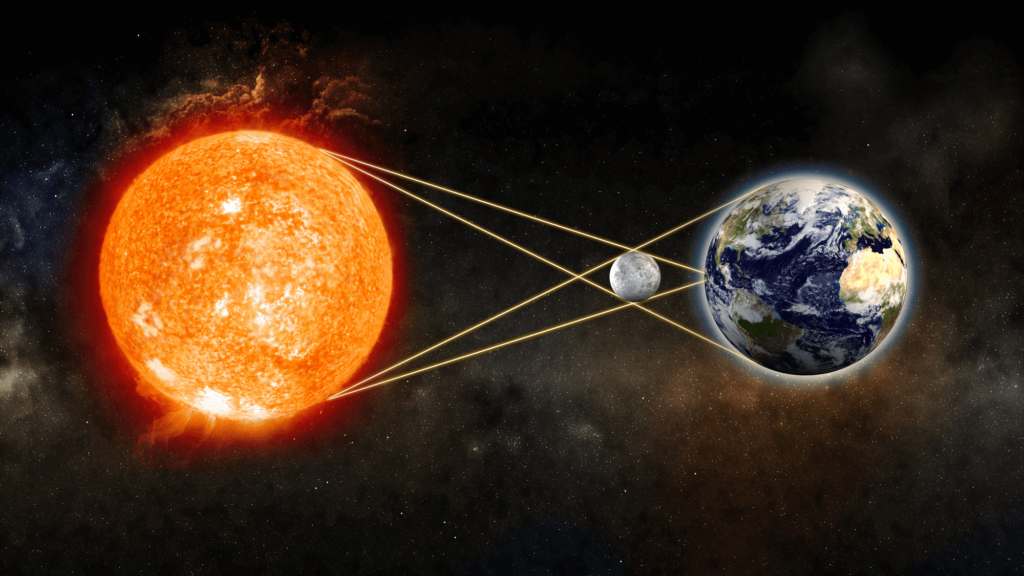
It’s the perfect alignment of earth, moon and sun. Outside the path of totality, a partial eclipse, whereby the moon seems to cut a slice out of the sun, may also be visible. A total eclipse occurs every 18 months or so.
During an eclipse, the sun’s corona – it’s outer atmosphere – becomes uniquely visible. Usually, the brightness of the sun’s surface effectively obscures the corona so it can’t be seen. Astrophysicists can take the opportunity to study this outer surface, which is the hottest part of the sun.
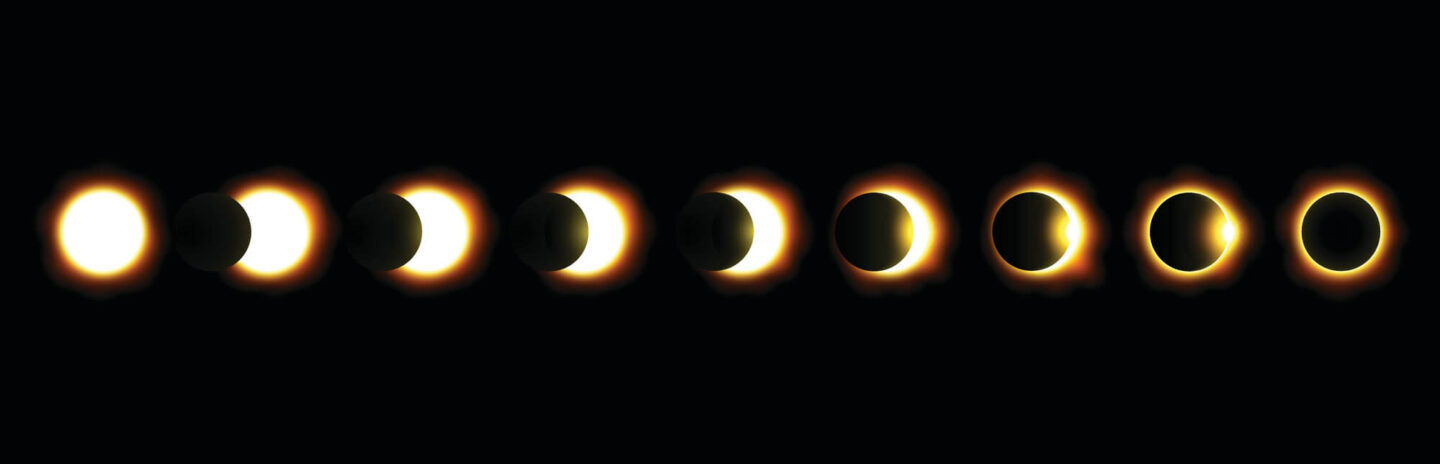
There are five phases to a solar eclipse: partial eclipse begins; total eclipse begins; totality where only the sun’s corona is visible; total eclipse ends; partial eclipse ends.
A total eclipse can have an effect on the behaviour of wildlife, with nocturnal creatures waking up and daytime counterparts (diurnal wildlife) thinking it’s bedtime.








 Instagram
 Facebook
 YouTube