
Science trip to The Azores Azores
5 Days from £905pp
based on a group size of 50 students and 5 free teacher places
The Azores really are a scientist’s playground. Whether learning about the biodiversity of microscopic life in the Azorean hot springs, unlocking Azores’ volcanic past and present at an observatory or whale watching with a marine biologist on hand, this itinerary is packed full of activities that not only compliment the curriculum, they also genuinely wow students.
You can also combine your itinerary with another subject, like geography and depending on your budget and group size, our travel specialists will be able to recommend an itinerary which not only meets your expectations but also offers excellent value for money.
What's included
- Return flights from Heathrow to Ponta Delgada via Lisbon
- Hold Luggage
- 6 nights' accomodation
- Breakfast and dinner all days of your stay and packed lunch for 4 days.
- Professional Guides providing outstanding knowledge of Azores
- All activities mentioned in the itinerary
Ask about our approach to Responsible Travel
We believe the benefits of travel should not be lost for the next generation. In order to protect this world we live in and also inspire a new group of young people to fight for our planet, we are developing an approach to Responsible Travel that is founded in facts, empowers young people to take action and involves suppliers at all levels in minimising negative impacts of travel.
We are committed to finding and implementing maintainable strategies which include developing teaching resources, offsetting carbon emissions, benefitting local economies, protecting local cultures and becoming ‘Plastic Clever’ travellers.
We can’t do it alone. Will you join us?
Responsible School Travel
“The Azores was a fantastic location to travel to and one I would recommend to everyone... Thank you for providing excellent staff who clearly are passionate about their jobs and the locations. ”
Day
1
Arrive Ponta Delgada
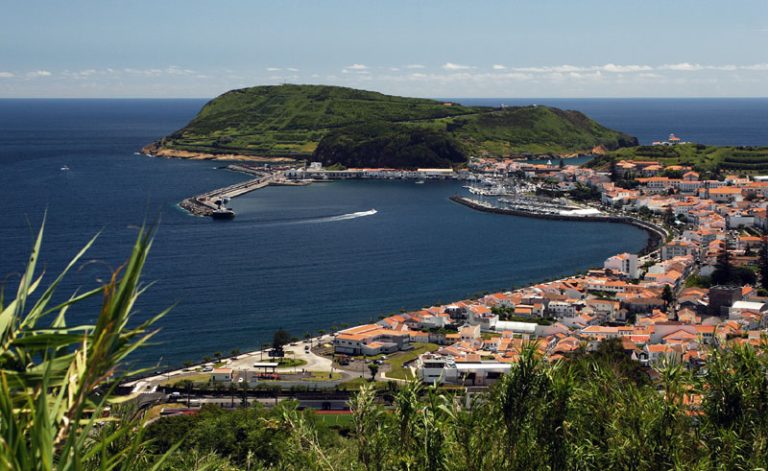
Fly into Ponta Delgada, the capital city on the largest island in the Azores, Sao Miguel, and have an afternoon at leisure. Soak up the culture on a walking tour of the city centre or visit the Museum Carlos Canto Andre (payable locally). You will see bright coloured buildings, cobbled streets and don’t forget the stunning harbour!
Day
2
Furnas Village and Lake, Microbial Observatory, Terra Nostra Botanical Gardens, Tea Plantation
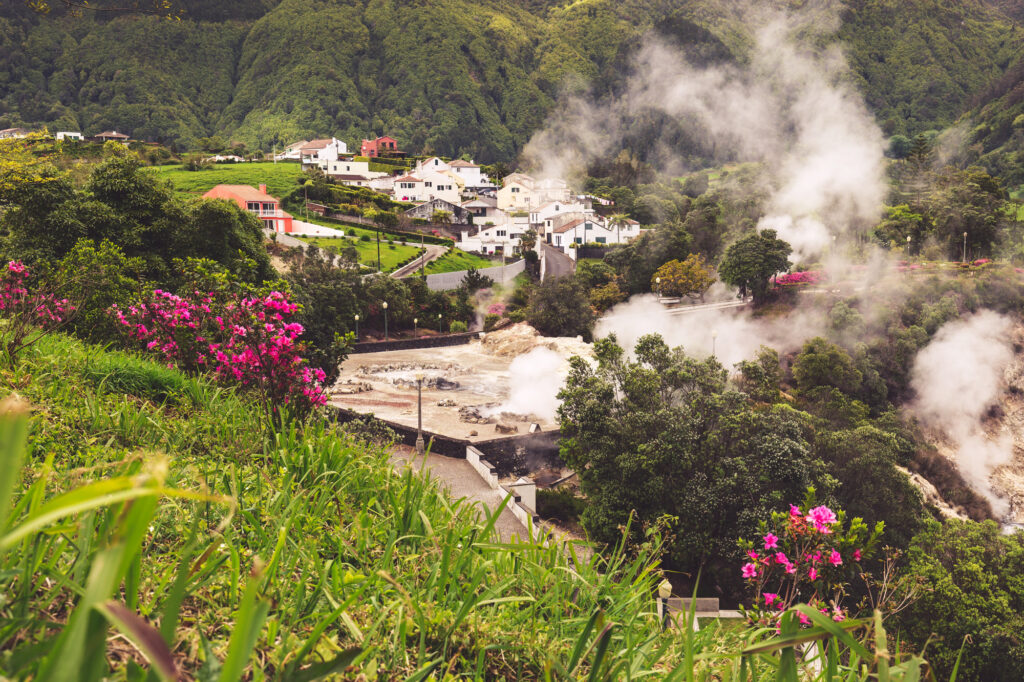
Your tour begins in the Geothermal village of Furnas, a must-see for scientific explorers!
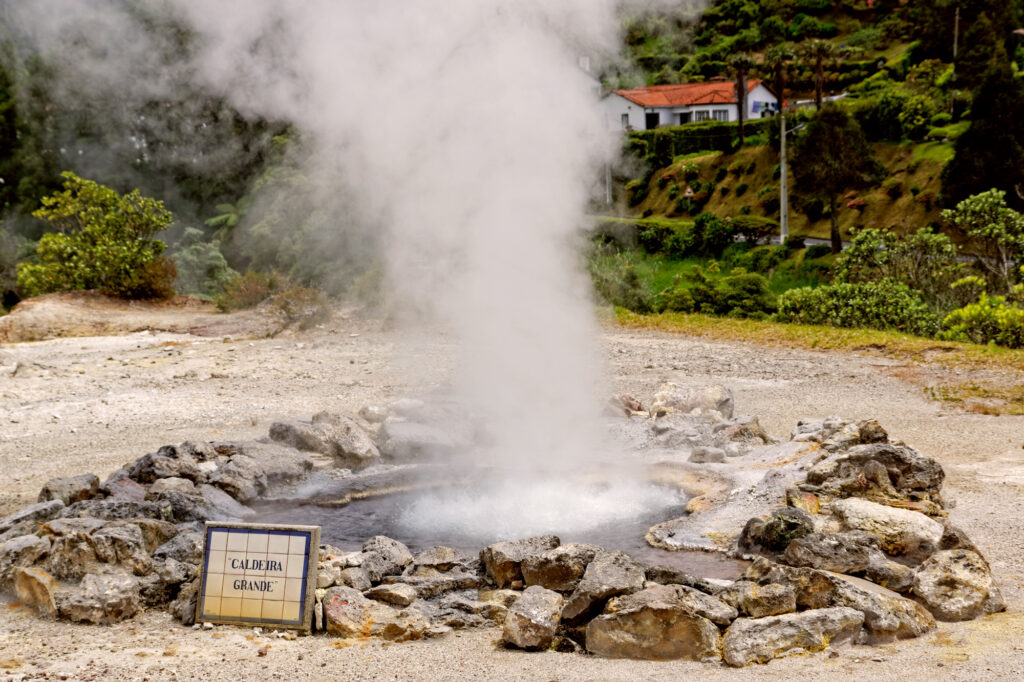
Surrounded by lush vegetation, Furnas is best known for its bubbling mud pools and its caldera lake, where you can witness evidence of the volcanic activity in the area.
Visit the Microbial observatory where students will learn about the biodiversity of microscopic life in the Azorean hot springs.
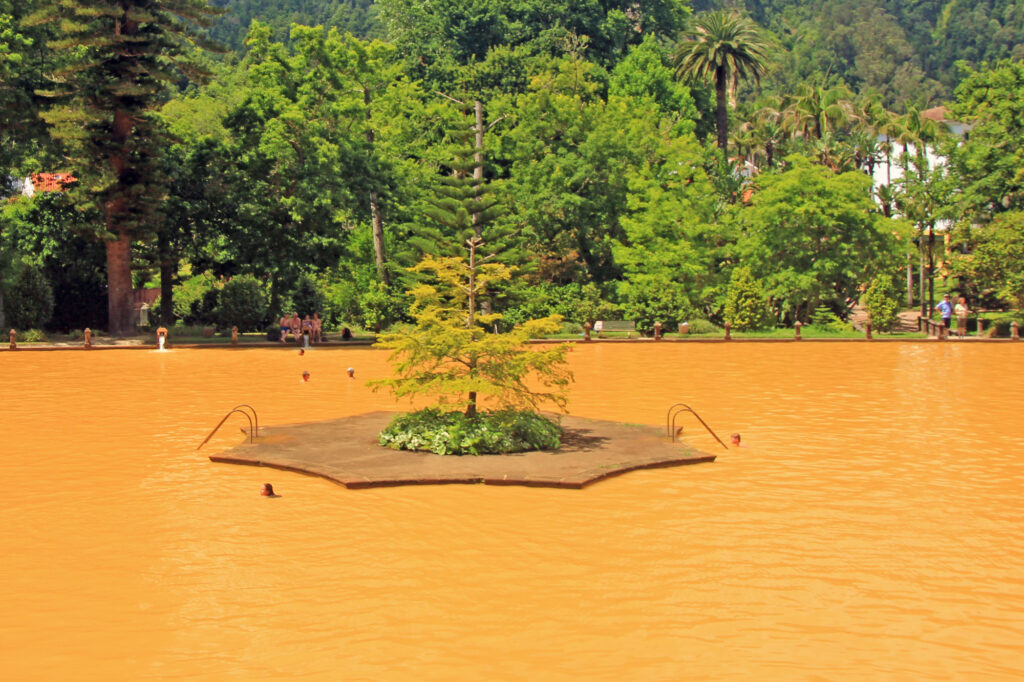
Explore the picturesque Terra Nostra Botanical Gardens and take a dip in the geothermal pool that can be found here.
Finish your day with a visit to a local tea plantation where students will learn how tea is picked, dried, and prepared using traditional machinery.
Day
3
Lagoa do Fogo, Caldeira Velha, Volcanic and Geothermic Observatory, Renewable Energy Forest Trek with Waterfalls and Hydroelectric Station Viewings
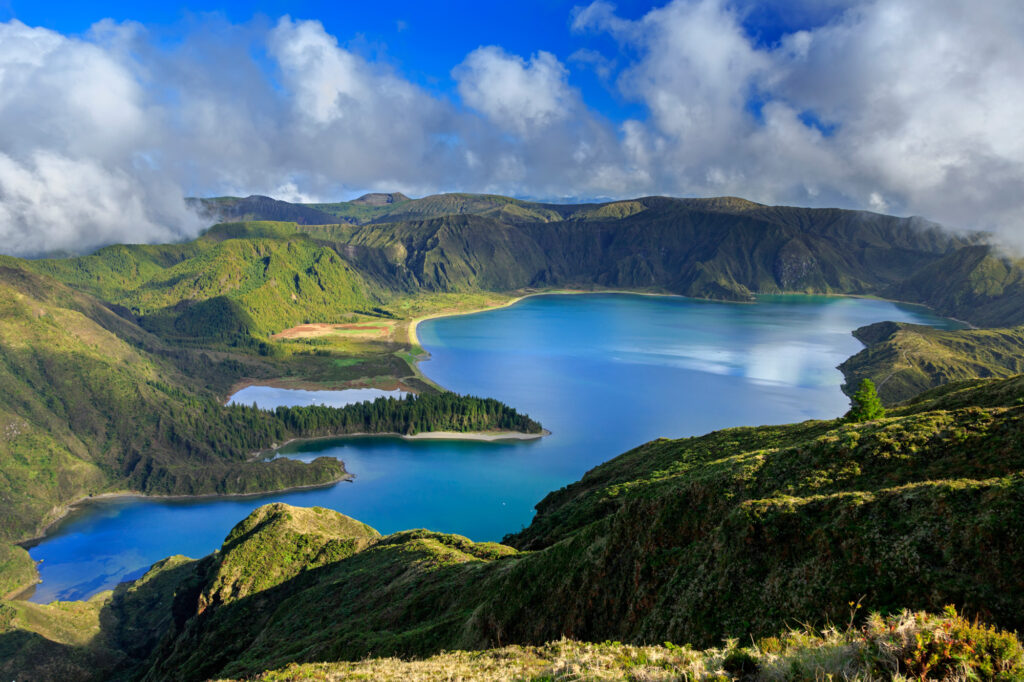
Start your day with extensive views across the island, at Lagoa do Fogo (Fogo Lake), a crater lake atop the central ridge of the island.
Located in the forest just below lies Caldeira Velha, a waterfall of warm iron-rich volcanic water and thermal pools. Students can take a relaxing soak or learn about volcanic rock in the interpretation centre.
Next up, a visit to the Volcanic and Geothermic Observatory, where you will learn about the formation and landscape of the Azores. A wide collection of geological samples unlocks the story of the Azores’ volcanic past and present.
An afternoon trek through the forest will give students views of geothermal energy and hydro-electric power plants, a great opportunity to see the contrast of how Azoreans once produced electricity and how it is done today.
Day
4
Sete Cidades, Ponta do Escalvado viewpoint, Mosteiros and Gruta do Carvão
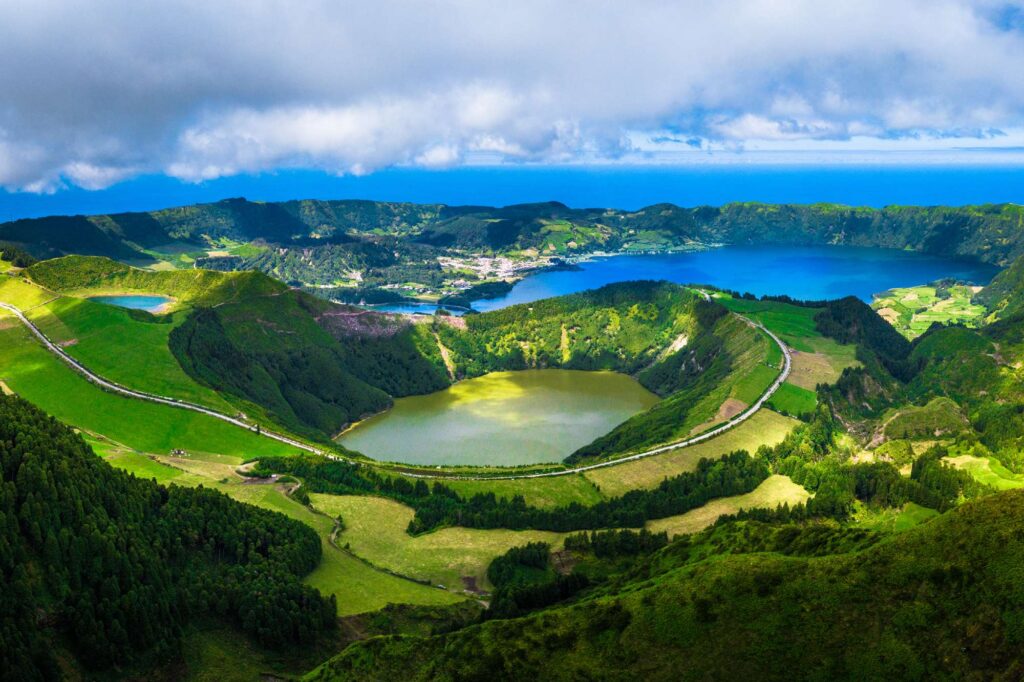
The most famous landscape in the Azores, Sete Cidades can’t be missed. The distinctive green and blue lakes are situated in one of the largest volcanic craters of the Azores.
From the Ponta do Escalvado viewpoint students can enjoy views of the west coast, before descending to the village of Mosteiros
The final stop of the day cannot be missed; Gruta do Carvão, Sao Miguel’s longest lava tube.
Day
5
Whale watching, Mountains, Ravines and Waterfalls of the Nordeste region
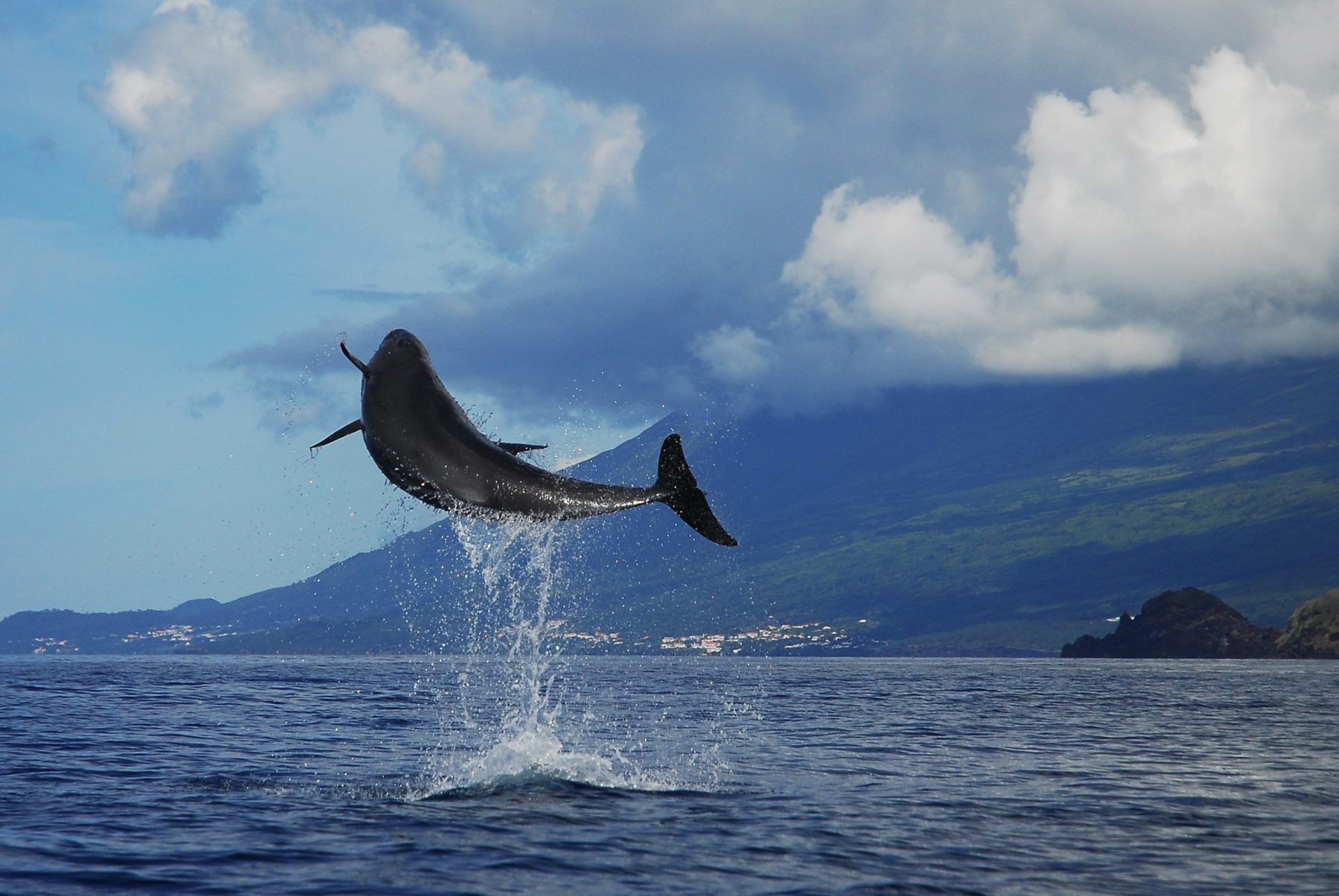
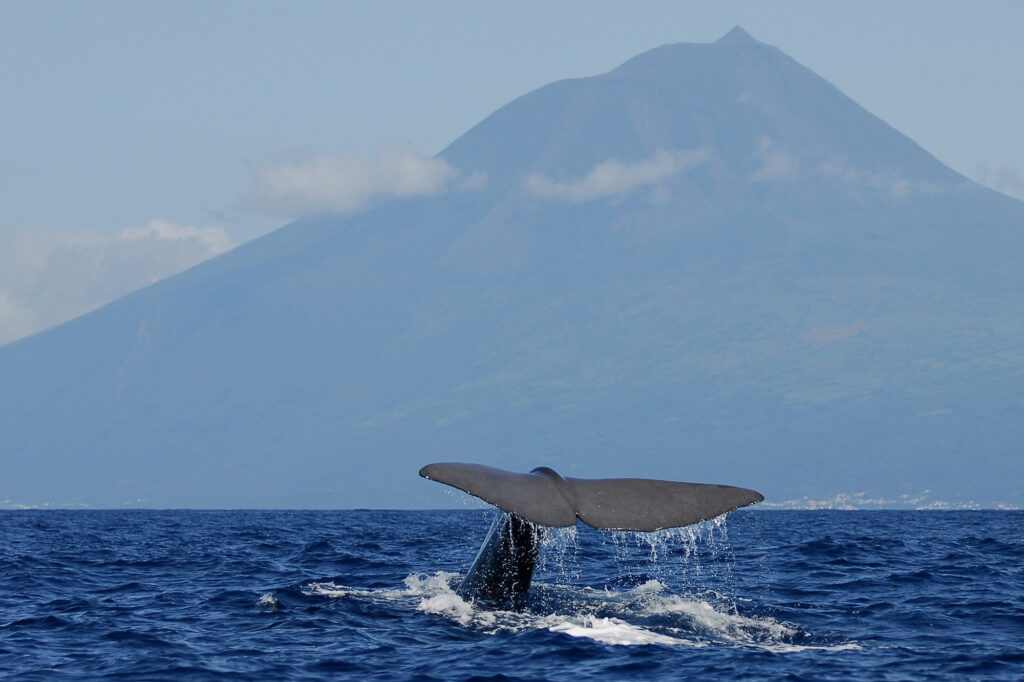
Head out to sea in search of the oceans giants, the Whale! Accompanied by marine biologists, students will learn about the conservation and migration of these marine mammals.
Once back on land, head towards Nordeste, the oldest part of Sao Miguel. Formed 4 million years ago, the region is known for its mountains, ravines, and thick vegetation and is considered to be one of the most beautiful parts of the island. Students can admire the spectacular views along the rugged coastline and the biodiversity along one of the walking trails.
Day
6
Fly from Ponta Delgada
Transfer to the airport ready for your return flight home. Adeus Azores!






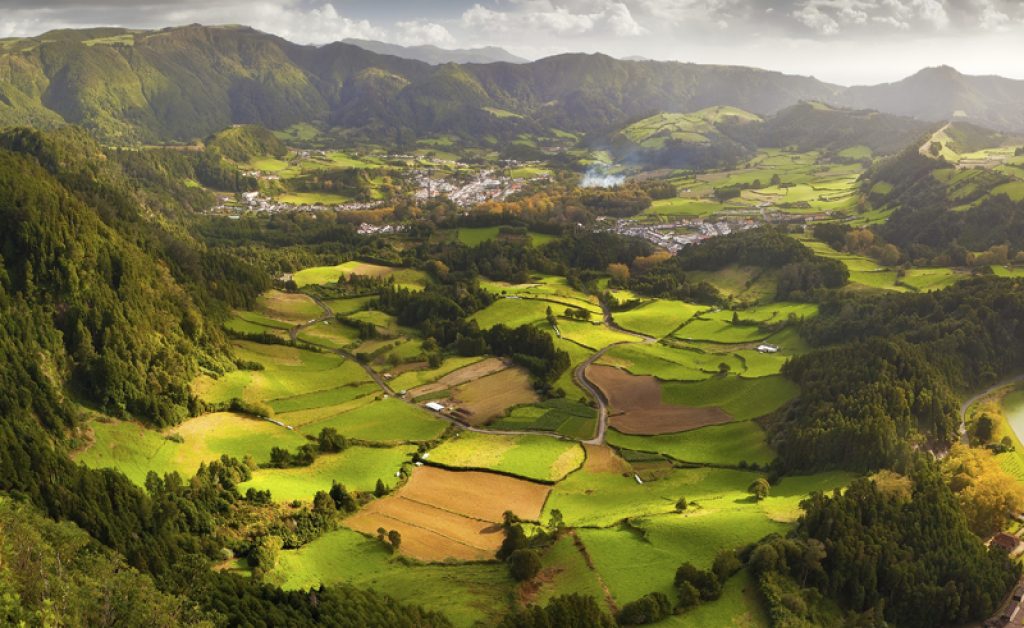

Trip notes:
This itinerary has been based on a group of 40 students and 4 teachers.
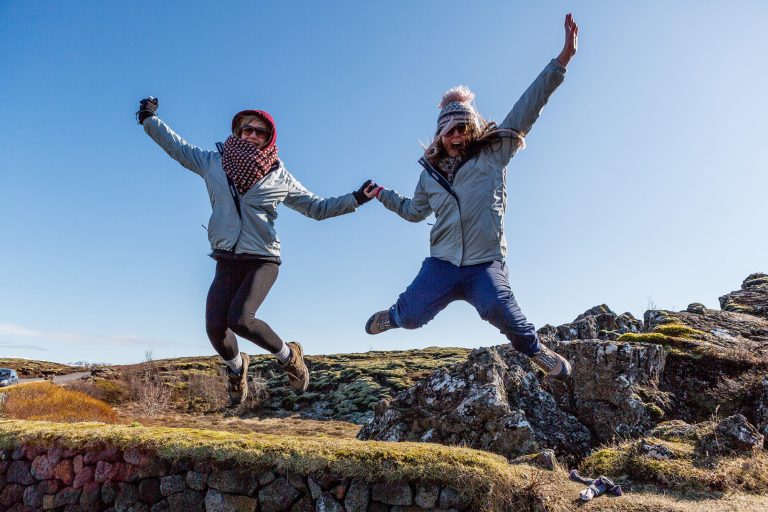

School Trip Planning Hub
We know that the real job of selling a school trip is down to you and your colleagues so we've collated some helpful resources for you to use to make sure you not only get the buy in from your students and their parents, but also that you have all the details you need to ensure a simple planning process.
Launching Your School TripResources
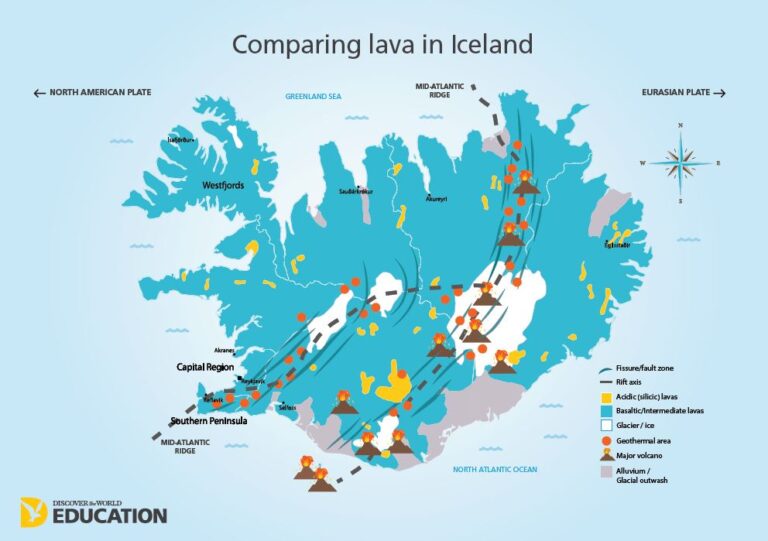

Comparing Lava Types
Teaching resource on lava types in Iceland including map and activities
Read more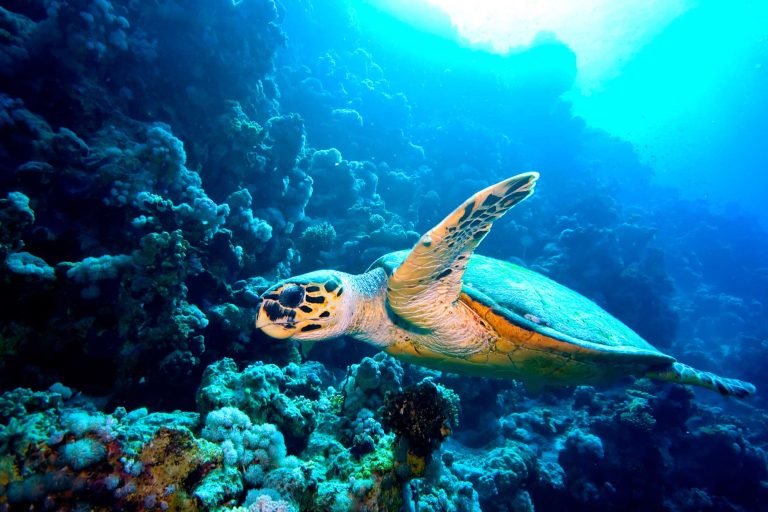

Turtles of Costa Rica
This resource introduces students to the sea turtles of Costa Rica and the importance of their habitat, assesses the dangers that they face and encourages students to consider how they can help.
Read more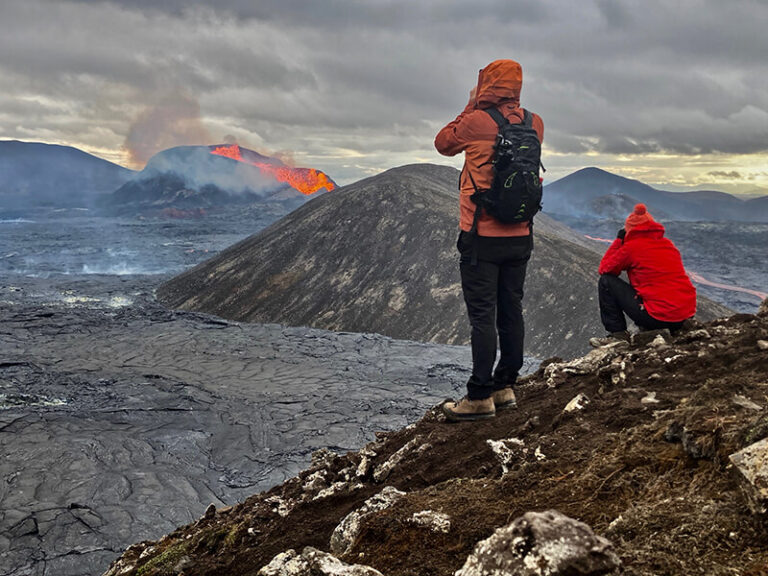

Fagradalsfjall Case Study Resource Pack
This resource brings that eruption to life inside your classroom, featuring a detailed timeline of the activity, fact files, maps and PowerPoint presentations.
Read more