The world’s second largest country, Canada is 41 times bigger than the UK and spans six time zones. It is vast and offers a huge amount of diversity and choice for discerning travellers. For the best experience, it demands more than one visit, focusing on one or two provinces or territories at a time and exploring them at a leisurely pace.
For most travellers, this typically falls into a choice of East or West Canada with picture-perfect alpine scenery stacking up against dynamic cities and maritime culture. Will you opt for the Atlantic provinces with their spectacular whale watching, world heritage sites and rich maritime history, or will you head west to the Pacific for First Nations culture, the Great Bear Rainforest and The Rockies?
Of course, it’s more nuanced than that, so we’ve taken a dive into how they compare for signature experiences to discover which is the coast with the most…
Western Canada in a Nutshell
The wild and wonderful west often favoured by first time visitors for its powerful combination of outstanding wildlife watching and the iconic landscapes of The Rockies. It’s easy to pair the turquoise lakes and jagged mountain peaks of Alberta with British Columbia’s island-scattered, wildlife-rich Pacific Coast. Here you will find bears, orcas, humpback whales, seals and eagles within the Great Bear Rainforest and the Inside Passage.
Further north, the Yukon is Canada’s wilderness state. Remote and lightly populated, this is gold rush country where moose outnumber people two to one.
Eastern Canada at a Glance
The more populous eastern provinces are home to the capital, Ottawa, as well as the country’s largest city, Toronto, French-speaking Québec and the historic Atlantic provinces – Nova Scotia, Prince Edward Island, New Brunswick and Newfoundland and Labrador.
As well as cosmopolitan cities and a fusion of cultural influences recognised in 10 World Heritage sites across the region, the eastern provinces also boast unique natural wonders including one of the world’s most famous waterfalls in Niagara, drifting icebergs, the world’s highest tides and superb whale watching.
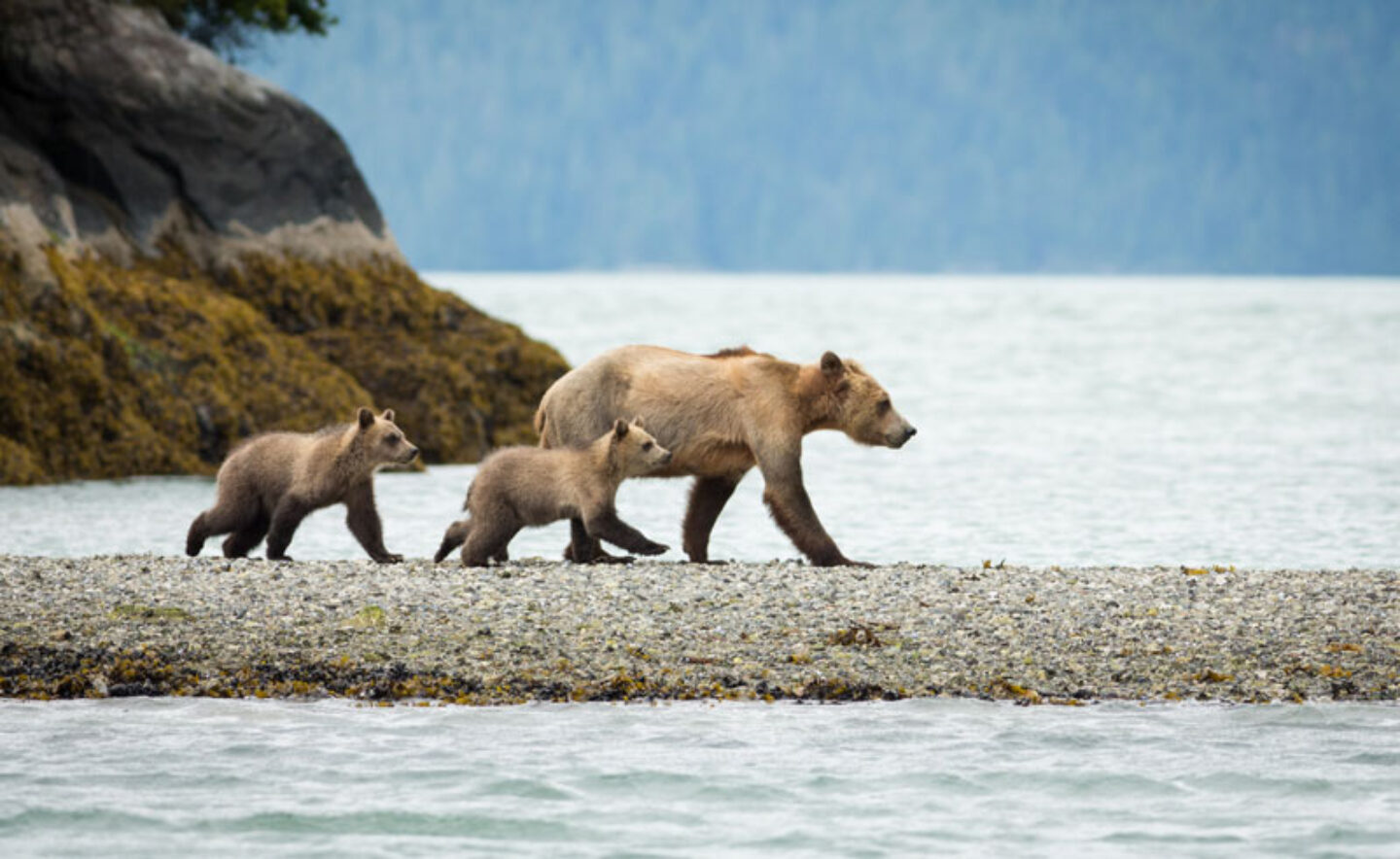
Best for bear watching
Western Canada – grizzlies galore & wilderness lodges
You’ll be on the lookout for bears throughout a summer road trip through British Columbia and Alberta. This is bear country with many stand-out locations for dedicated watchers.
Grand, green and groaning with grizzlies, the Great Bear Rainforest is prime territory and is also home to black bears and the Kermode (spirit) bear – a rare subspecies of black bear. Wilderness lodges offer the best experience. Reached by floatplane, 80km from Campbell River, Knight Inlet Lodge is one of the best places in Canada to spot grizzly bears – up to 50 can be seen within 10km of the lodge during the autumn salmon-feeding frenzy.
Eastern Canada – roaming black bears
Black bears are the most common in Canada and so can be glimpsed throughout much of Atlantic Canada – from Newfoundland to Nova Scotia. However, encounters are by chance rather than optimised like at the lodges in the west. You’re more likely to run into moose particularly in Nova Scotia’s Cape Breton Highlands National Park.
Verdict: Unquestionably, head to Western Canada for the best bear viewing and British Columbia specifically. However, if it’s polar bears you want to see, then the central Canada province of Manitoba is the best.
Discover more about bear watching holidays in Canada
Best for whale watching
Western Canada – orcas in Johnstone Strait
British Columbia’s coast has one of the highest populations of orca in the world. Johnstone Strait, between Vancouver Island and the BC mainland, is one of the best places in the world to see orcas between May and September. Humpback whales can also be seen, while grey whales migrate along the west coast of Vancouver Island during March and April.
Eastern Canada – the world’s largest humpback population
The spring thaw sparks a food-chain reaction in the Gulf of St Lawrence that lures a variety of whales, including beluga, fin, minke, humpback and blue. These nutrient-rich feeding grounds bring the world’s largest population of humpbacks to the waters off Newfoundland making whale watching a must-do in this easternmost province.
Tadoussac is the whale-watching capital of Québec and is the gateway to Saguenay Fjord, a tributary of the St Lawrence River and home to a resident population of around 1000 beluga.
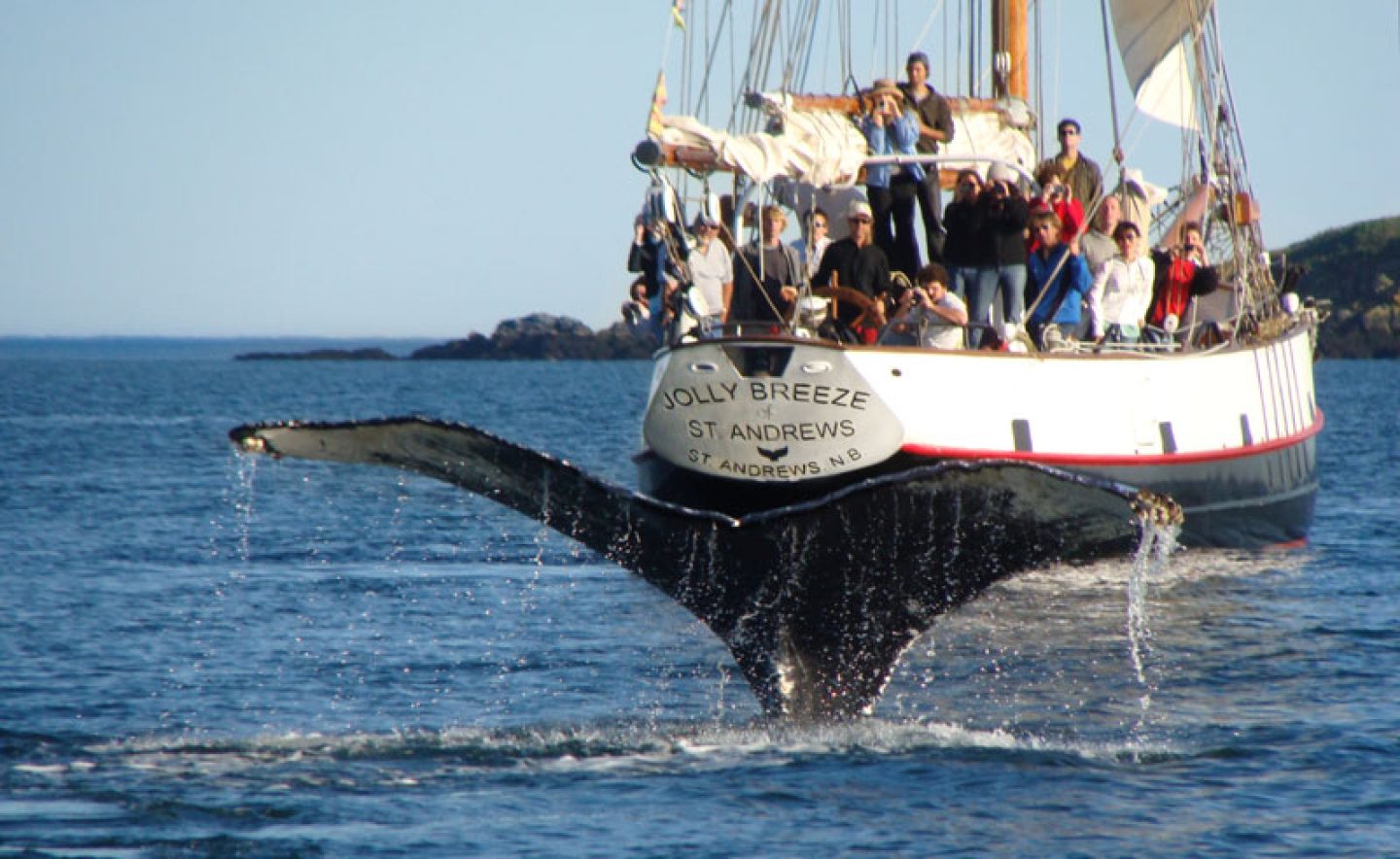
Further south, the Bay of Fundy is renowned both for its enormous tides (up to 16m) and superb whale watching. Boat trips operate from Digby in Nova Scotia and the St Andrews area in New Brunswick. Humpback (shown right), fin, minke and the endangered northern right whale are all possibilities.
Verdict: There’s no absolute winner here, but for the diversity of species and opportunity, whale watching in Eastern Canada does edge it.
Discover more about whale watching holidays in Canada
Best for wild landscapes
Western Canada – peaks, lakes, and rainforests
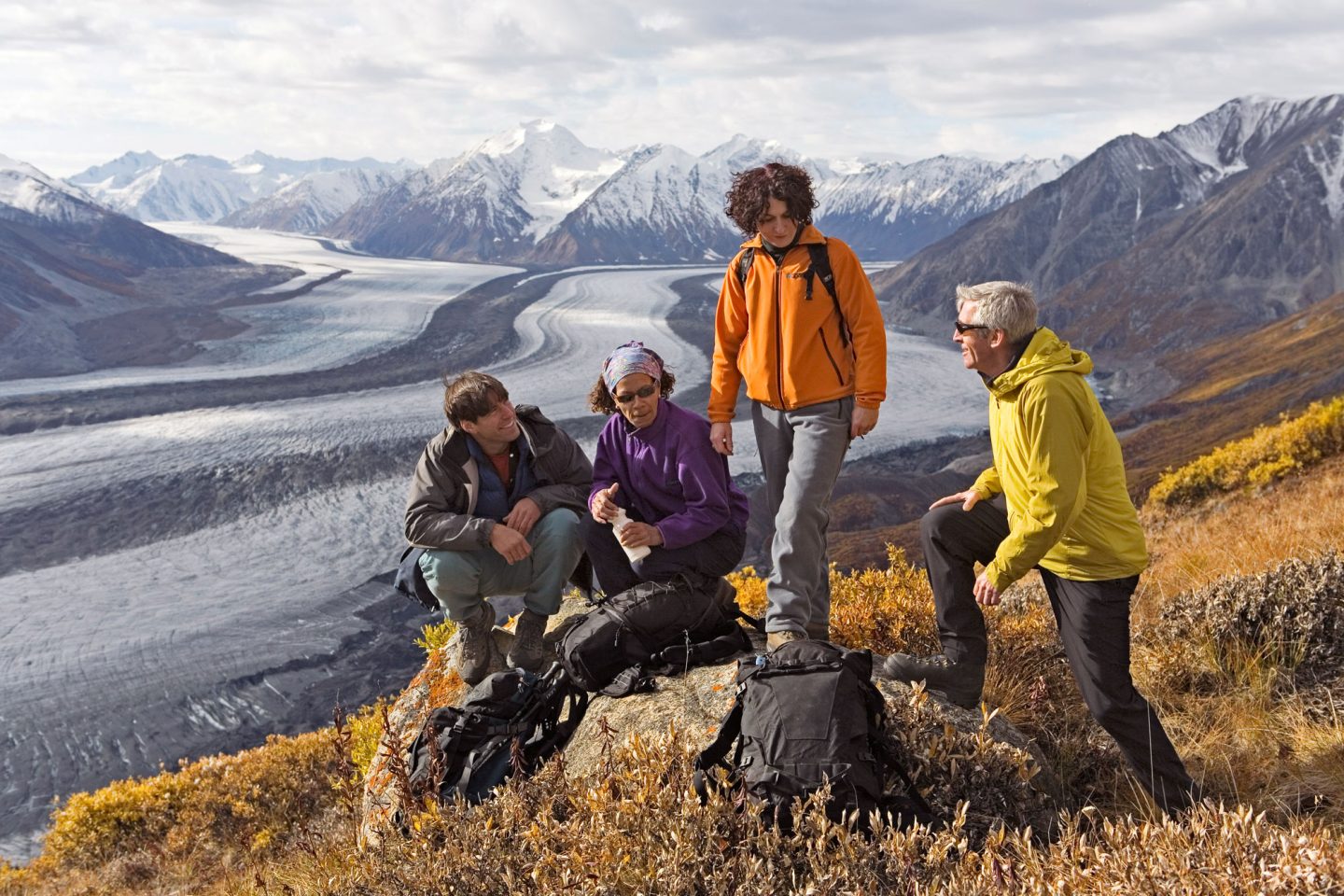
Old-growth forest meets surf-raked shore in the Pacific Rim National Park on Vancouver Island, while Kluane National Park in the Yukon is a wilderness of peaks, glaciers and forests. Then there’s the Great Bear Rainforest and spectacular Rocky Mountain national parks like Banff, Jasper and Yoho.
Landscapes in the west are big, bold and beautiful. It’s hard to imagine a more iconic image of Canadian scenery than that a tranquil blue lake, framed by pine forest and chiselled peaks. Alberta is known as Canada’s wild side, and it certainly delivers. From mountain to ocean, Vancouver Island’s Pacific lashed beaches seem endless.
Eastern Canada – fjords, coast and icebergs
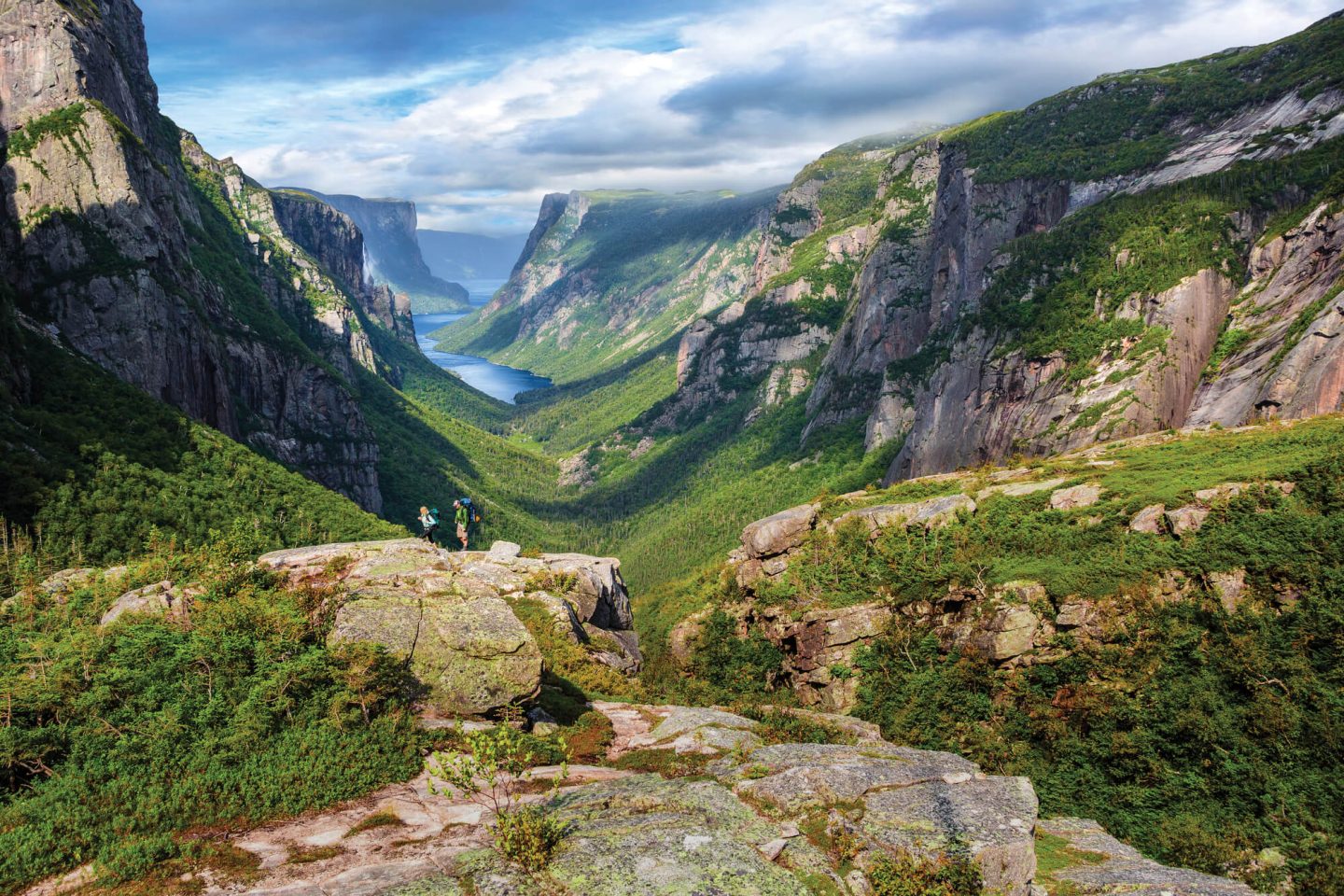
Epic is probably the best single word to describe the landscapes of Gros Morne National Park in Newfoundland. You’ll find stark, salmon-pink rocks sheared from the crust of an ancient seabed while Western Brook Pond with its sheer-sided cliffs carved out by the glaciers looks like a land before time.
Newfoundland’s rugged east shores bring vantage points to watch icebergs drift by offshore in mesmerising sight.
Almost surrounded by sea, Nova Scotia blends rugged coastal headland with lush forest trails. And outside of the city, the lakes of Ontario offer accessible wilderness wrapped in serene beauty. Then there’s also one of the world’s most famous waterfalls, Niagara Falls – the most powerful in North America.
Verdict: The majesty of the Canadian Rockies just tips the scale towards the west, but this also makes them among the most visited destinations in Canada. Exploring off-the-beaten-track brings its own reward and once you start to look, it’s not hard to find wild beauty almost everywhere you go in Canada.
Best for culture
Western Canada – First Nations heritage
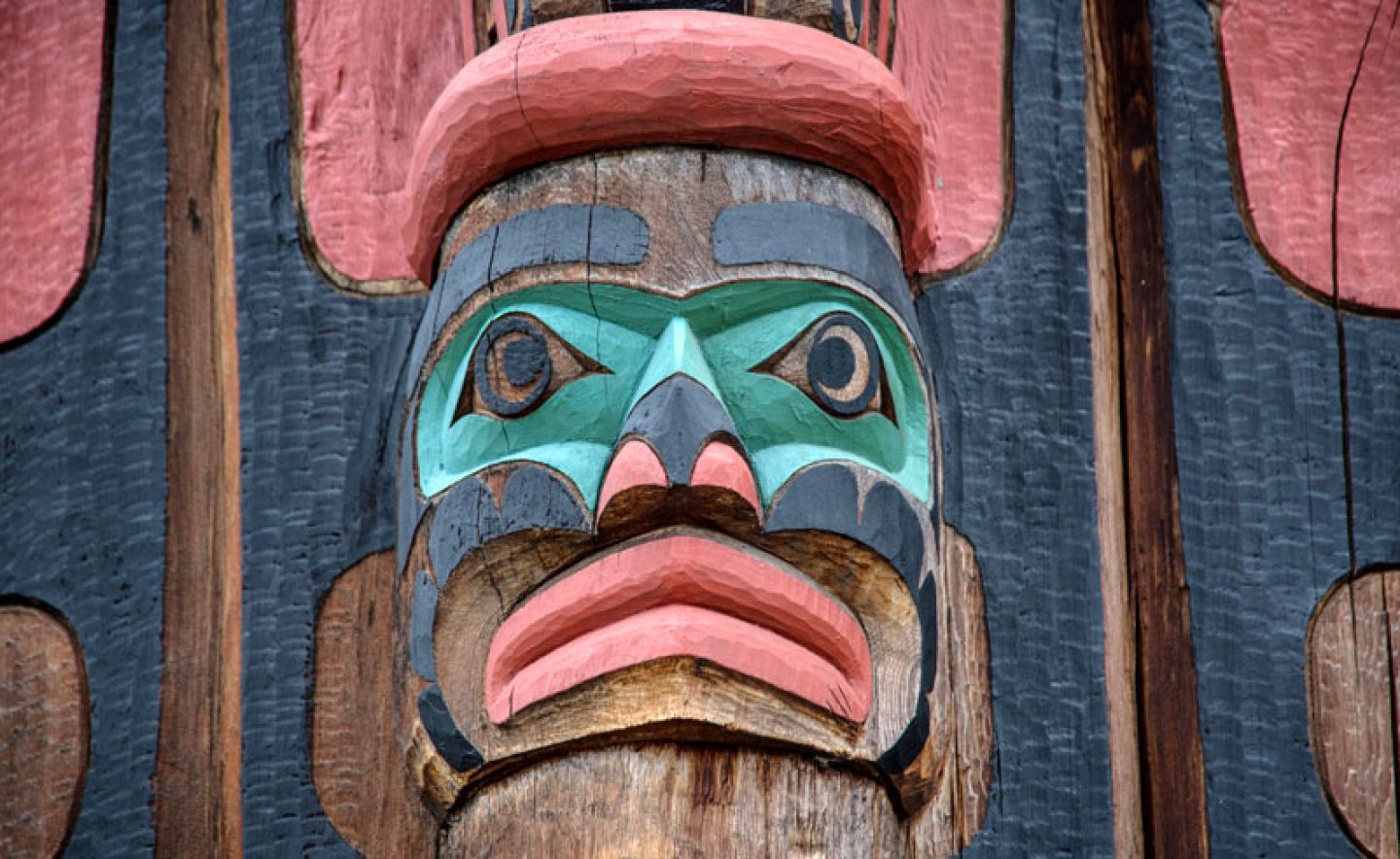
Bald eagles, bears and orcas gain mythological stature in the minds and carvings of the First Nations people of the Pacific Northwest. Alert Bay is a centre of native culture and art, while museums in Vancouver and Victoria showcase the region’s rich history and cultural diversity.
There are 10 cultural World Heritage Sites in Canada, of which, four are in western Canada. Head-Smashed-In Buffalo Jump and Writing on Stone Provincial Park in Alberta. SGang Gwaay is an island in Haida Gwaii and Tr’ondëk-Klondike in the Yukon.
Eastern Canada – Vikings and European influences
For an insight into 11th-century Viking settlers, head for the World Heritage L’Anse aux Meadows in Newfoundland. Celtic, French and English influences, meanwhile, are evident throughout the Maritime provinces.
You’ll also find six of the 10 UNESCO cultural sites in the eastern provinces. The Historic District of Old Québec, L’Anse aux Meadows National Historic Site and Red Bay National Historic Site in Newfoundland and Labrador, Old Town Lunenburg and the Landscape of Grand Pré in Nova Scotia and Rideau Canal in Ontario.
Verdict: There’s no winner to declare. If your preference is for First Nations culture, then go west. If you are more interested in settler history, head east, though neither are exclusive.
Best for cities
Western Canada – liveability and cowboys
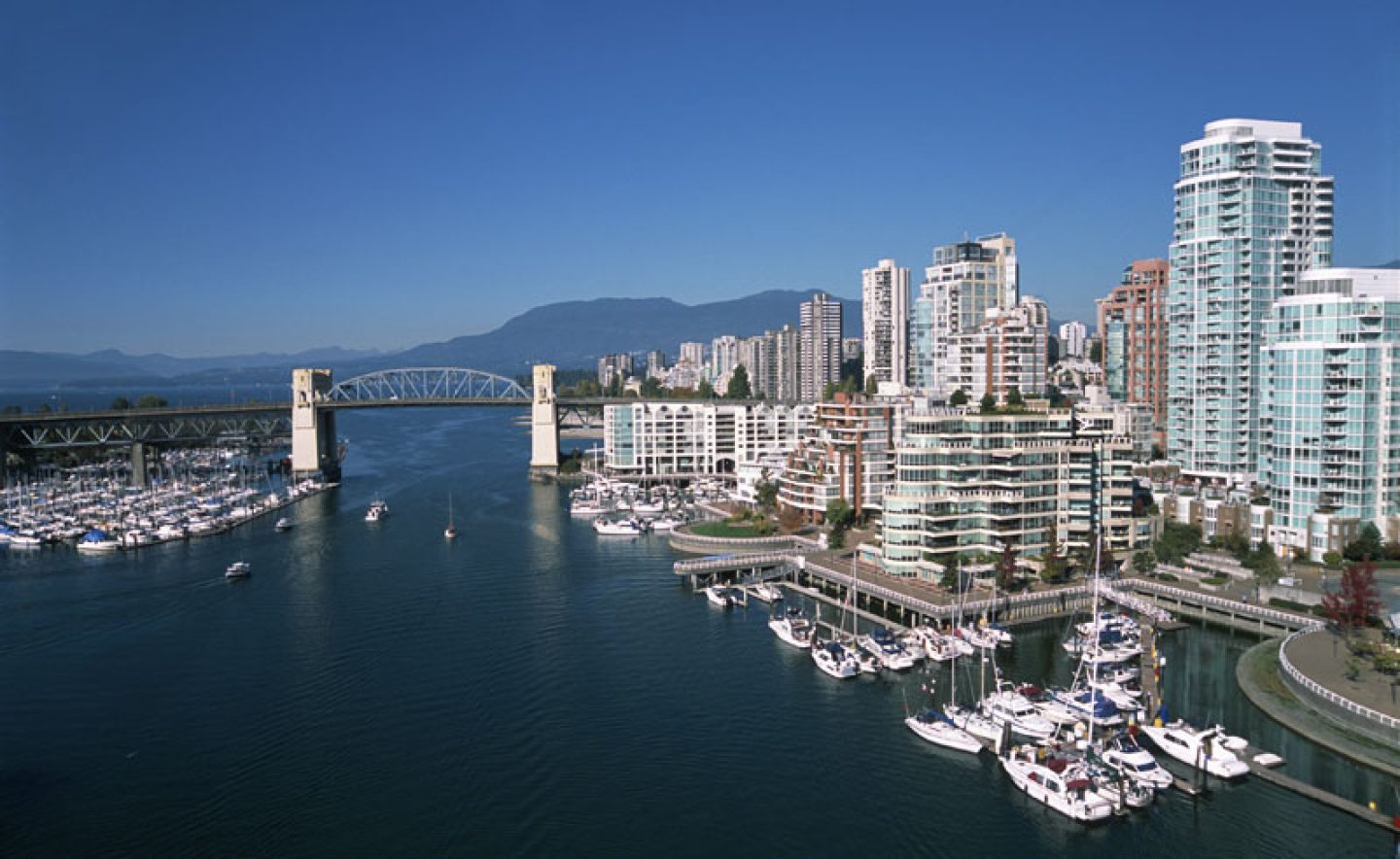
Vancouver has repeatedly been voted the best city in the world to live. Framed by mountains and the sea, it is vibrant and attractive acting as the gateway to the wider province of British Columbia. Take the ferry to nearby Victoria on Vancouver Island and you get two beautiful, waterside cities in one trip.
Alberta’s two main cities are bigger than Vancouver by population but have less of the wow factor. From the cowboy city of Calgary to the festival city of Edmonton where you’ll find North America’s second largest mall, they each bring a different vibe.
Eastern Canada – colour, size, history and the capital
If it’s a question of quantity, then the east easily wins out. Toronto, Ottawa, Montreal and Québec between them boast the countries two most populous cities, an iconic free-standing structure in the CN Tower, splendid gothic Parliament Buildings, a UNESCO-designated old town and Canada’s premier food scene (not purely based on being the birthplace of poutine – that uniquely Canadian dish of fries, gravy and cheese curd).
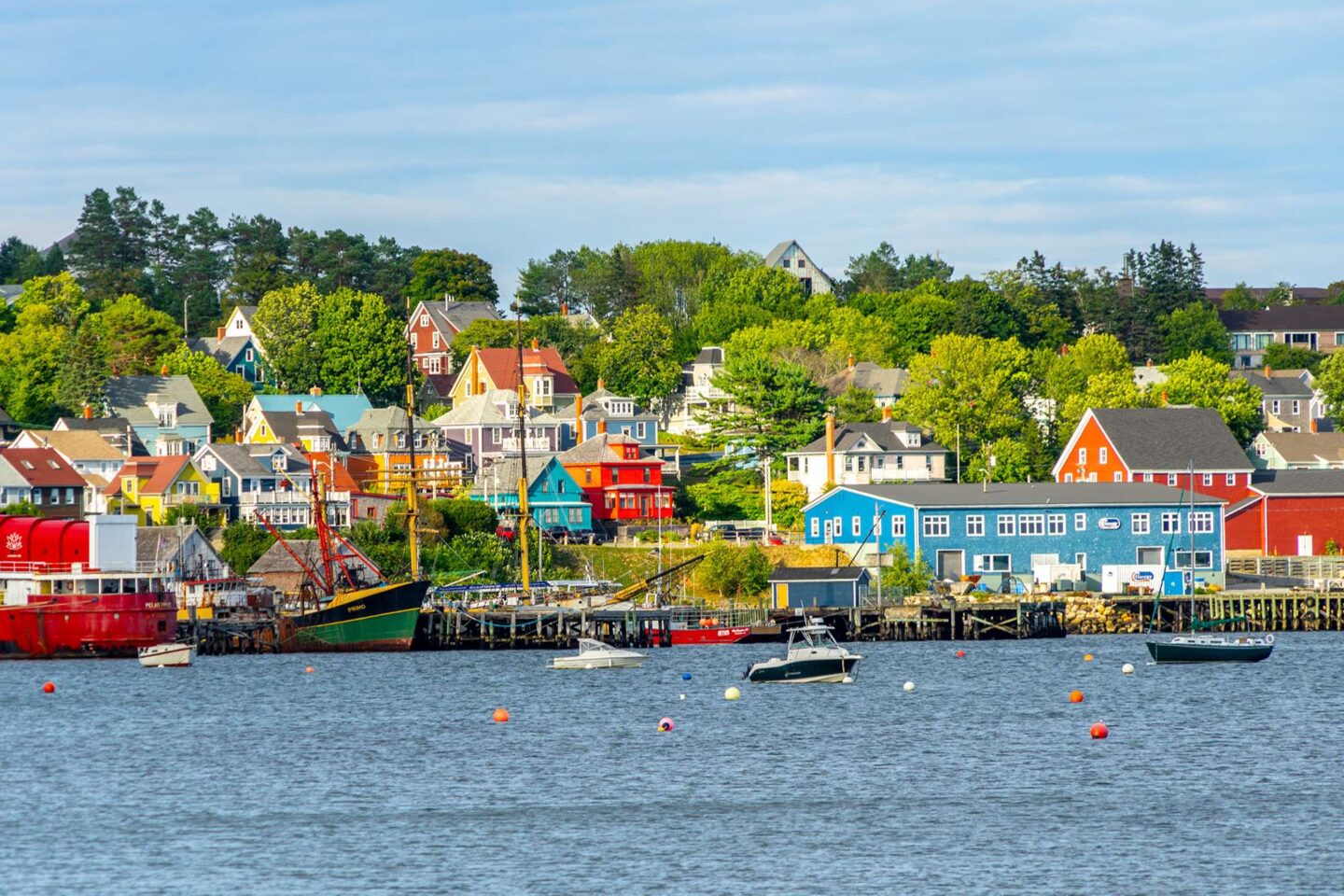
Among the Atlantic provinces, charming and colourful, St John’s in Newfoundland is the oldest city in North America. Halifax in Nova Scotia has a modern, laid-back feel, with trendy waterfront dining.
Verdict: To coin an 80s strapline, Canada’s cities are full of eastern promise.
Best for hiking
Western Canada – alpine trails and coastal tracks
Ramble in the Rockies, stride out on Vancouver Island’s West Coast Trail or trek in the rugged landscapes of the Yukon’s Kluane and Tombstone parks. The chance to put your best foot forward in British Columbia, Alberta and the Yukon are there for the taking.
There are plenty of epic multi-day trails for dedicated trekkers like the Kettle Valley Rail Trail through Okanagan high country in BC. But there are also many more shorter trails to choose from. Take for instance the Lake Louise Tea House Trails in the Rockies. Truly rewarding; wind your way amongst forests, glaciers and waterfalls over 7-14km for mountain views and nice cup of tea!
For an urban stroll, Vancouver’s eternally popular Seawall encircles beautiful Stanley Park and offers the perfect escape from the bustle of the city.
Eastern Canada – skyline trails and geological routes
Not to be outdone by the west, eastern Canada offers equally diverse walks. You can hike directly across the earth’s mantle at Tablelands in Gros Morne National Park or choose the rolling hills and secluded bays of Prince Edward Island’s Confederation Trail.
Ontario boasts Canada’s first designated hiking path in the Bruce Trail, which was completed in 1697. The scenic 770km route stretches from Niagara to the Bruce Peninsula.
You could spend a long time ticking off the 26 hiking trails of Cape Breton Highlands National Park. Fitting perfectly into a Cabot Trail road trip take you pick from the 0.5km Bog Walk to the 14km Mary Ann Falls Trail.
Verdict: It’s a clear tie. There’s nothing to separate east from west when it comes to hiking in the great outdoors.
Discover more about hiking holidays in Canada
Best for maritime history
Western Canada – the Inside Passage
Forested islands, wedged against the mainland of British Columbia and Southeast Alaska, form a channel stretching 1600km from Seattle to the old gold rush town of Skagway that. The Inside Passage is one of the world’s great marine highways, plied by generations of fishermen, traders and travellers. Follow in their wake by taking the ferry from Port Hardy to Prince Rupert and beyond.
Eastern Canada – fishing villages, lighthouses and shipwrecks
When John Cabot returned from Newfoundland in the late 15th century with tales of “a sea so full of fish that a basket thrown overboard is hauled back brimming with cod” there was no stopping the rush of settlers to the New World. Atlantic Canada is renowned for its maritime heritage. Fishing villages and lighthouses pepper its coastline, while historic cities like St John’s and Halifax have strong seafaring legacies. Be sure to visit the Lunenburg Fisheries Museum and the Maritime Museum of the Atlantic in Halifax.
Verdict: It’s a bit of a loaded comparison given the Nova Scotia, New Brunswick and PEI are collectively known as the Maritimes. On that basis, eastern Canada is best for maritime history.
Best for self drive
Western Canada – British Columbia & Alberta or The Yukon
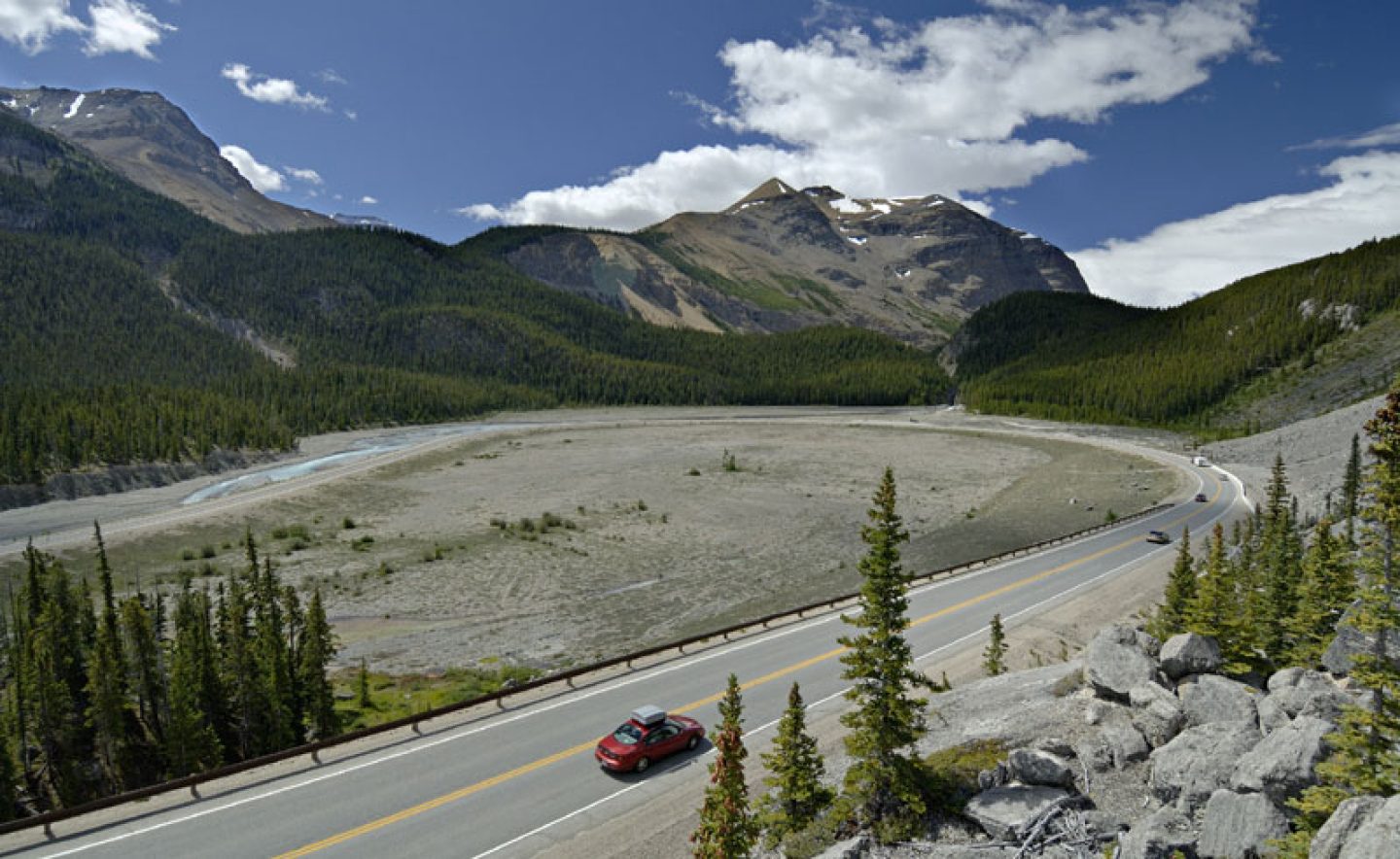
The beauty of a self-drive holiday in the west is that you can combine the open road with ferry trips along the Inside Passage and a classic train journey on the Rocky Mountaineer. In just two or three weeks, you’ll be able to dabble your toes in the Pacific, dawdle through the Rockies and enjoy a spectacular succession of provincial parks on the Sea to Sky Highway between Vancouver and Whistler.
To venture into the truly wild west, plan your road trip in the Yukon. Known for its wilderness and gold-rush heritage, you are likely to encounter wildlife roaming freely and take in spectacular, untouched scenery. It pairs neatly with Alaska for an extra twist.
Eastern Canada – Atlantic Canada or Ontario & Quebec
How can the east possibly compete on this one? Well, for starters it has the Cabot Trail in Nova Scotia – a scenic drive right up there with anything the west can offer. New Brunswick’s Fundy Coastal Drive is particularly eye-catching in early fall with a fiery display of leaves, while Newfoundland is easy to reach and awash with maritime charm and wild places.
Ontario and Québec make perfect partners for a self-drive. From the thundering waterfalls of Niagara to the tranquil lakes of Algonquin Provincial Park, the cosmopolitan city of Toronto to the old-world charm of Québec City and the 1000 Islands of the St Lawrence River, you can weave together a wealth of contrasts in Canada’s diverse eastern provinces.
Verdict: This is very much a personal choice. Both have the key ingredients for an amazing road trip. First-time visitors may be drawn west by the lure of the iconic Rockies. Make sure to plan a second visit through Atlantic Canada.
Discover more about self-drive holidays in Canada
Combine both on one trip
If you prefer to buck the trend and combine both east and west on a single trip, we’d suggest taking the rail option such as our Trans Canada Rail Adventure. An immersive 15-day journey from Halifax on the Atlantic coast to Vancouver on the Pacific coast, the trip concludes with the legendary Rocky Mountaineer. Packaged to combines scenic rail travel with included experiences and hotel accommodation along the route, it makes traversing Canada both manageable and comfortable.

Feeling inspired?
Wherever you choose to visit, Canada, will not disappoint. Get in touch with our Canada Specialists on 01737 214 250 or send an enquiry. They’ll tailor a holiday to your requirements based on expert knowledge and first-hand experience.
For further inspiration and itinerary ideas, view our collection of Canada holidays.