
There’s an increasing range of expedition ships cruising in polar waters these days, so how on earth do you pick the right one for your long-anticipated Arctic or Antarctic cruise?
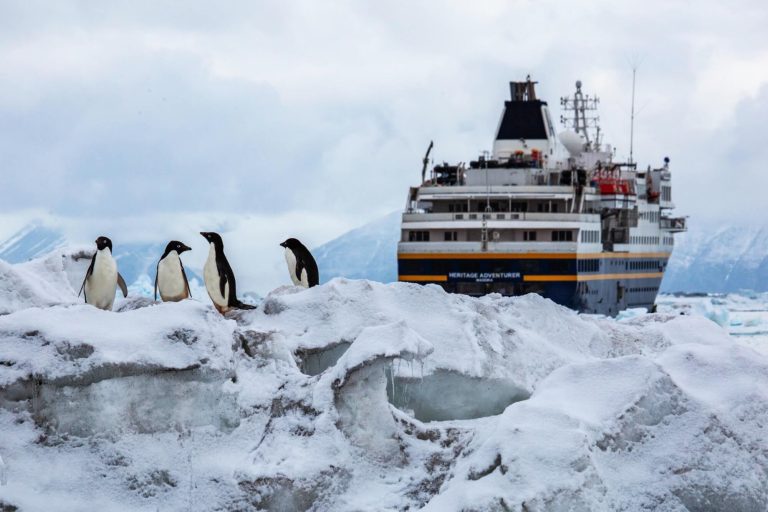
All promise an unforgettable adventure, with an experienced Expedition Team and a fleet of Zodiacs on board, so which ship you choose may simply come down to matching your preferred departure date, the price or the itinerary. But it’s worth remembering that this will be your home for the duration of your polar cruise, and each ship has her own distinctive character… Our Polar Travel Specialists will be happy to advise which one is right for you, or read on for a beginner’s guide to the different types of expedition ship available:
Icebreaker vs ice-strengthened
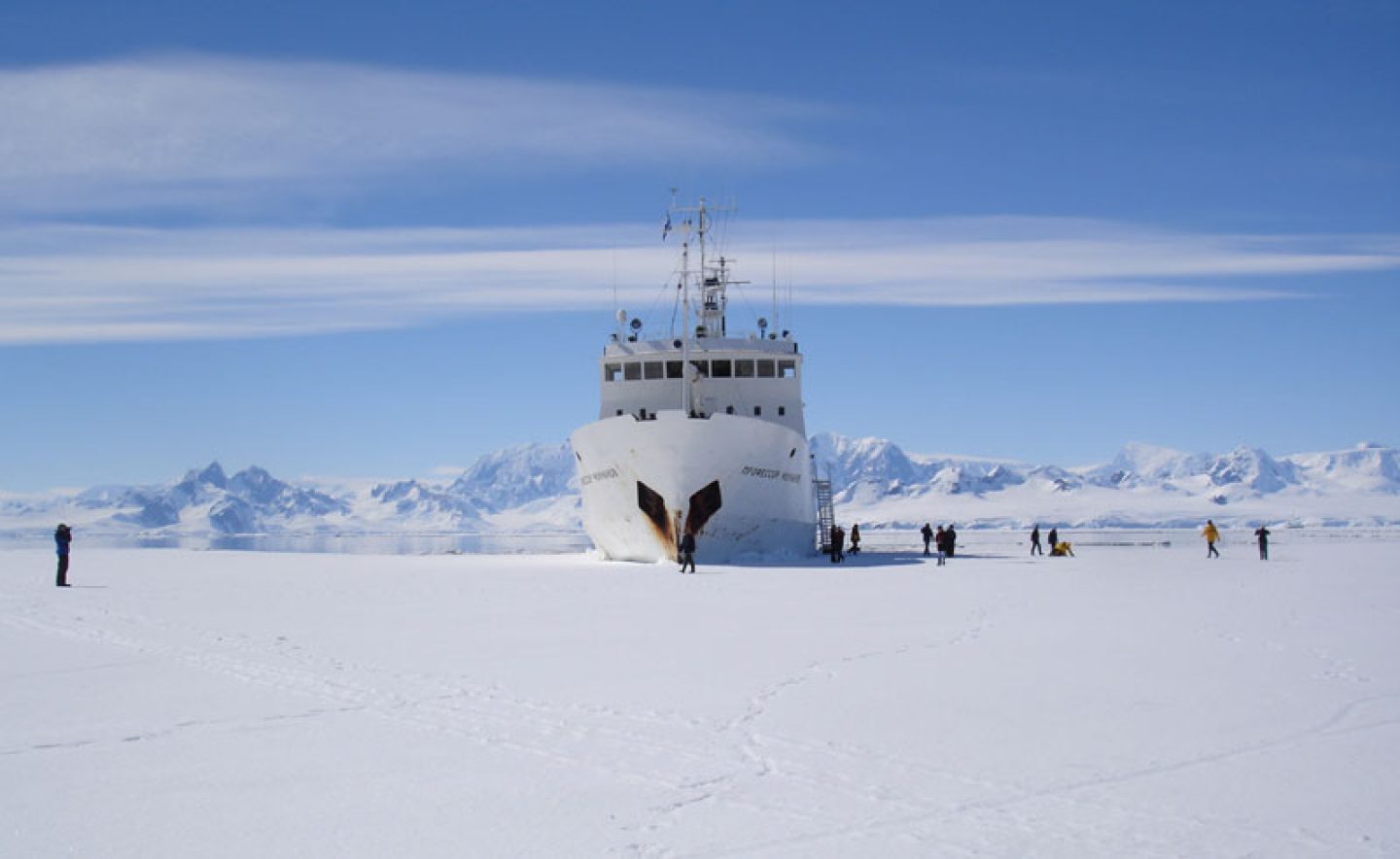
Ice-strengthened ships feature a reinforced hull which allows them to push their way through sea ice and offer relatively smooth and stable sailing on open water. An icebreaker, on the other hand, takes a far more belligerent approach, smashing its way through solid ice and therefore able to venture further, into thicker pack ice. Icebreakers are expensive to build and run, and as such are generally now only used for commercial purposes such as keeping Arctic trade routes clear.
Ice classifications explained
All polar vessels are required to meet international standards of design and construction, quantified by an ‘ice classification’. Depending on the registering authority (many, but not all, are designated by Lloyd’s Register of Shipping), ice classes are either alphabetical, with A class the highest, or numerical with 1 at the top. The highest class of ice-strengthened vessel is rated 1AS, 1A or L1, followed by 1B or L2, and then 1C or L3 and so on. All of our expedition ships are classed a minimum 1D and above, meaning they are safe to explore the icy fringes of Antarctica and the Arctic.

Small is beautiful
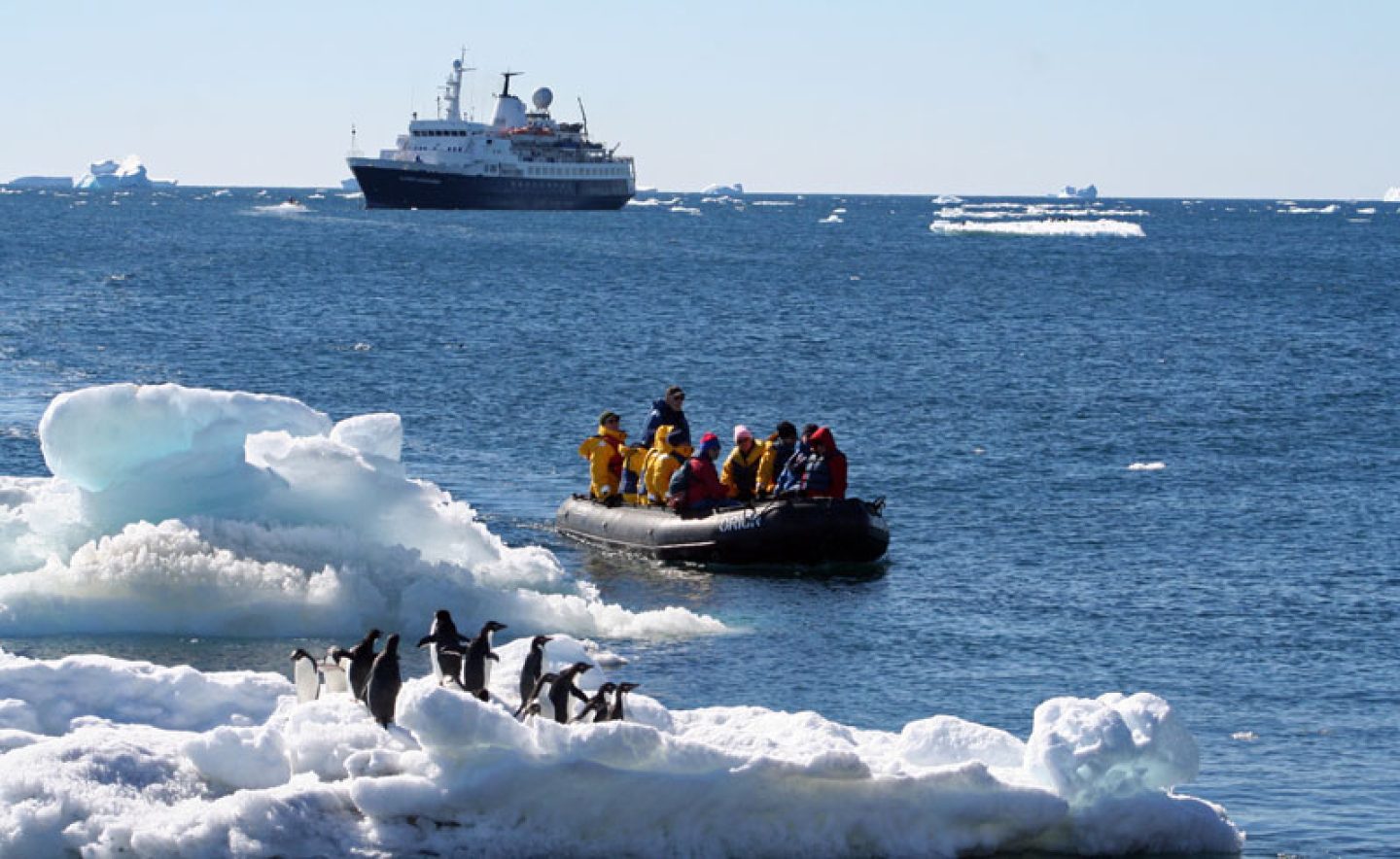
We only offer small ships for our polar expedition voyages, carrying a maximum of 199 passengers. These provide better access, able to explore the small bays and inlets that larger ships can’t reach, and also help maximise time ashore – particularly in Antarctica, where only 100 people are permitted to land at a time. They also offer a more intimate overall experience, creating more personal wildlife encounters and enhancing the sense of wilderness and solitude in the vast polar landscape. Most of our expedition ships carry an average of around 100-120 passengers but our smallest ship, the M/S Quest, takes just 53 passengers.
Authentic expeditions
A number of our ships are former scientific research vessels. These tend to be fairly functional, without some of the more luxurious touches you might find on other ships, but are also quiet, strong and stable, having been specifically designed to carry out sensitive research in polar waters. They’re usually among the smaller ships too, carrying in the region of 90-120 passengers, and for many polar travellers these represent the true spirit of a traditional expedition voyage experience. Check out the M/V Plancius
The new wave
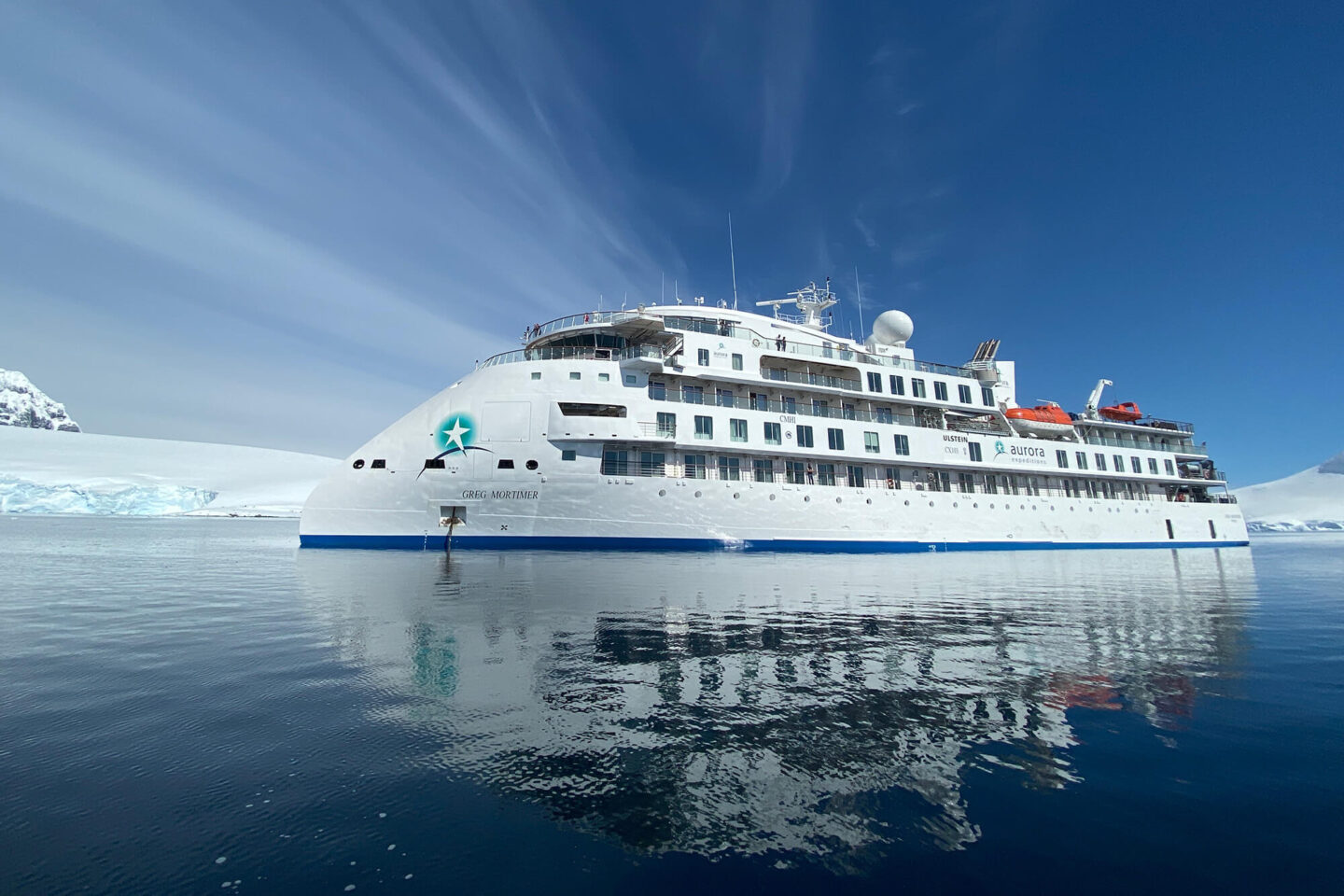
In recent years as the older ships become less efficient and more costly to run and maintain, there has been an influx of brand new, purpose-built vessels entering the world of polar expedition cruising. These offer more comfort, with spacious cabins, proper beds instead of bunk berths, and extra facilities such as hot tubs and saunas. More importantly they are also designed to be much more fuel efficient and eco-friendly, which is why we’re delighted to welcome such vessels as the ground-breaking Greg Mortimer boasting Ulstein X-BOW® technology.

No frills
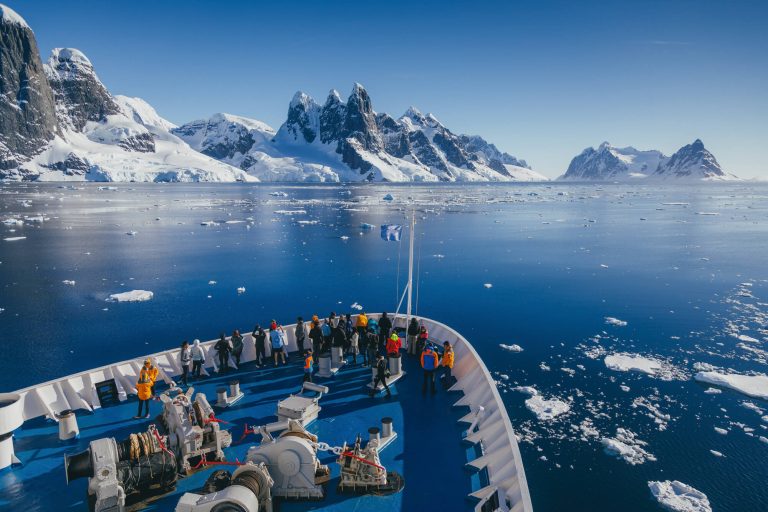
Whilst some ships boast a wealth of facilities, services and equipment (from massage therapists and hot tubs to kayaks, skis and tents), others offer a more simplistic approach with a focus on exploring by Zodiac and on foot only. This helps to keep costs down and is ideal for the budget-conscious traveller who simply wants to experience the magic of being in the polar regions.
Superior comfort
Whilst none of our expedition ships can be called ‘luxurious’ in the true sense of the word, some are certainly more high-end than others. After an active afternoon hiking or kayaking, there’s a lot to be said for the opportunity to enjoy a relaxing spa before retreating to the private balcony of your own spacious suite, looking out for passing icebergs with a glass of fine wine in hand… The World Explorer can offer all this and more!
Expedition voyages explained
For more information about what to expect both on board and ashore during your polar voyage, read our handy guide to expedition voyages.
Feeling inspired?
Our team of polar specialists are on hand to help answer your questions about the different vessels or any other questions you may have. With in-depth first-hand knowledge they will be able to plan the best voyage for you. For a short summary of the ships we offer in the Polar regions, view our overview of Expedition Vessels.
Alternatively, when you view any of our Polar cruise holidays you’ll see which ships operate on that particular voyage. Where there are multiple, you can use our vessel finder feature to compare up to three at a time.














 Instagram
 Facebook
 YouTube